Field notes: we called off a replant order two hours before the drill showed up
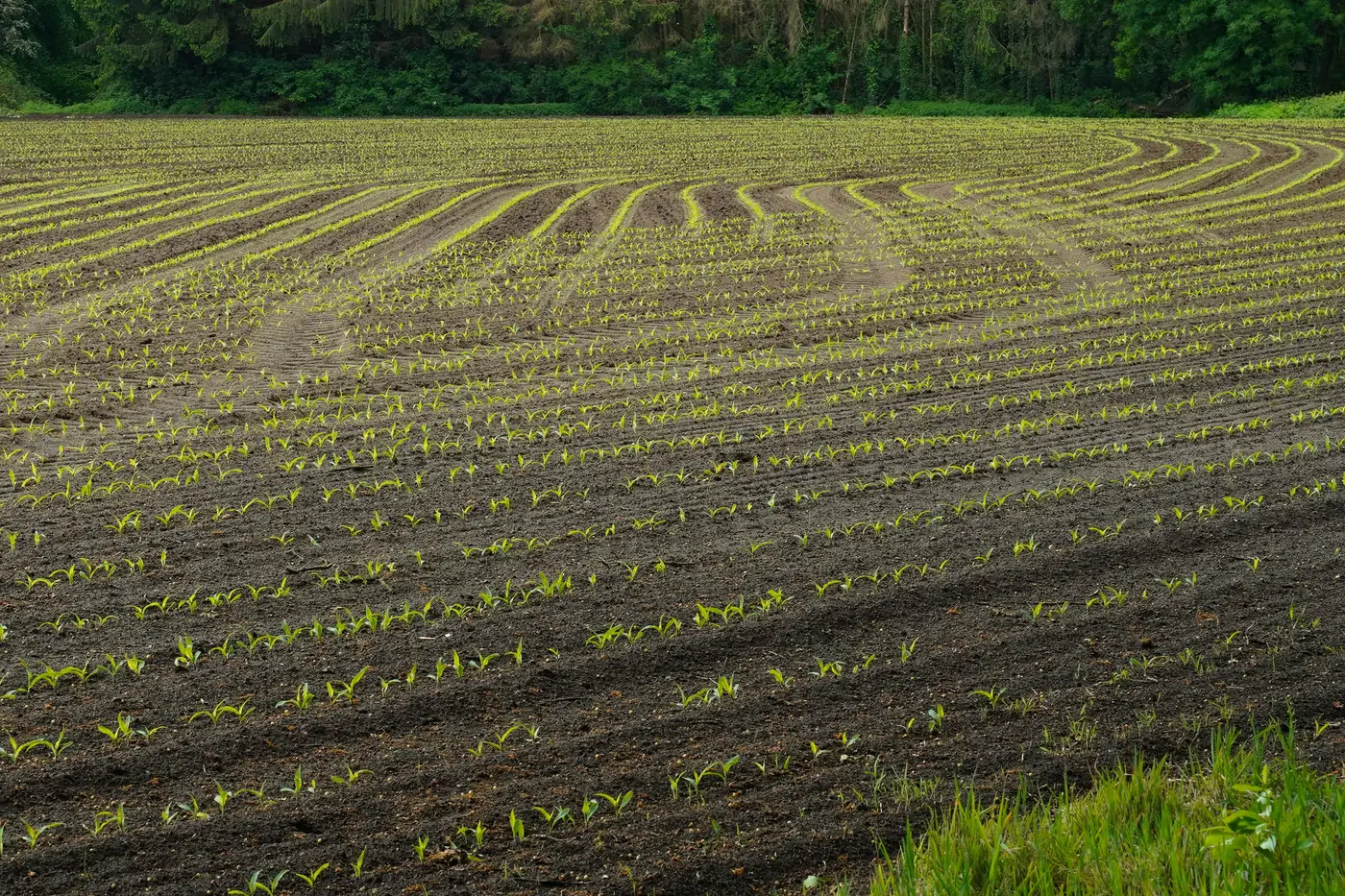
The phone rang at 6:40. The custom applicator was already hooked up to the drill box, parked at the shop, waiting on a text to head to the north field or stay put. That field had looked rough from the truck window for a week. Thin in the low corner, patchy along the waterway, the kind of stand that makes a grower start talking replant before anyone's walked it.
Normally that walk happens the morning of, or the night before if you're lucky. You grab the stand-count board, pick a few representative rows, count emerged plants over a measured length, do the math, and hope your three or four samples describe forty hectares. Most of the time they do. Sometimes they don't, and you find that out in July when the thin spot you didn't walk turns out to be bigger than the one you did.
This time there was a flight already in hand. The field had been flown two days earlier, mostly to check emergence on a different block down the road, and the gap layer for the north field had been sitting in the inbox since Tuesday. I pulled it up standing in the shop office with coffee in one hand and the applicator's number in the other.
The per-hectare count wasn't great, but it wasn't the field-wide failure the truck-window view suggested. The gap map showed exactly what you'd guess once you saw it laid out: the thin area was real, but it tracked the waterway and a compaction pass from last fall's harvest traffic, not a seed or emergence problem across the block. Most of the field was sitting at a stand that would close canopy on schedule and yield like it should. The part that needed seed was maybe three hectares, not forty.
That's a different conversation with a grower than "the whole field needs replanting." It's also a different conversation with an applicator who's got six other stops that day and a drill box loaded for a job that didn't need to happen at that scale. We called it off at 8:15. The drill went to a field two roads over that genuinely needed it, and the north field got left alone to do what it was already doing.
What the walk misses
None of this is a knock on walking fields. A good agronomist with a board and a clipboard and twenty years of looking at stands can call a field close just by eye. But a hand count samples a handful of rows out of hundreds, and a truck-window impression samples whatever's visible from the road, which is usually the worst-looking corner because that's the part you can see without getting out. Neither one tells you where the gaps actually sit, only whether gaps exist somewhere.
A count that covers the whole field instead of a few sample rows changes the shape of that morning call. The agronomist's eye wasn't wrong. It was answering "does this field look thin," when the question that needed an answer was "how much of this field is below the line, and where." Those turned out to be different questions with different answers, and the gap between them was the difference between a full replant order and a three-hectare patch job.
Canopy closes on its own schedule regardless of how long that phone call runs. The window to decide is short, and most of what eats it is uncertainty about whether the thin spot you can see is the whole story or just the part of the field that happens to be visible from the road.
If your replant calls are still getting made from the truck window, it might be worth seeing what the field looks like from above before the drill shows up.