Field notes: the week a cold snap stalled emergence and every line lit up
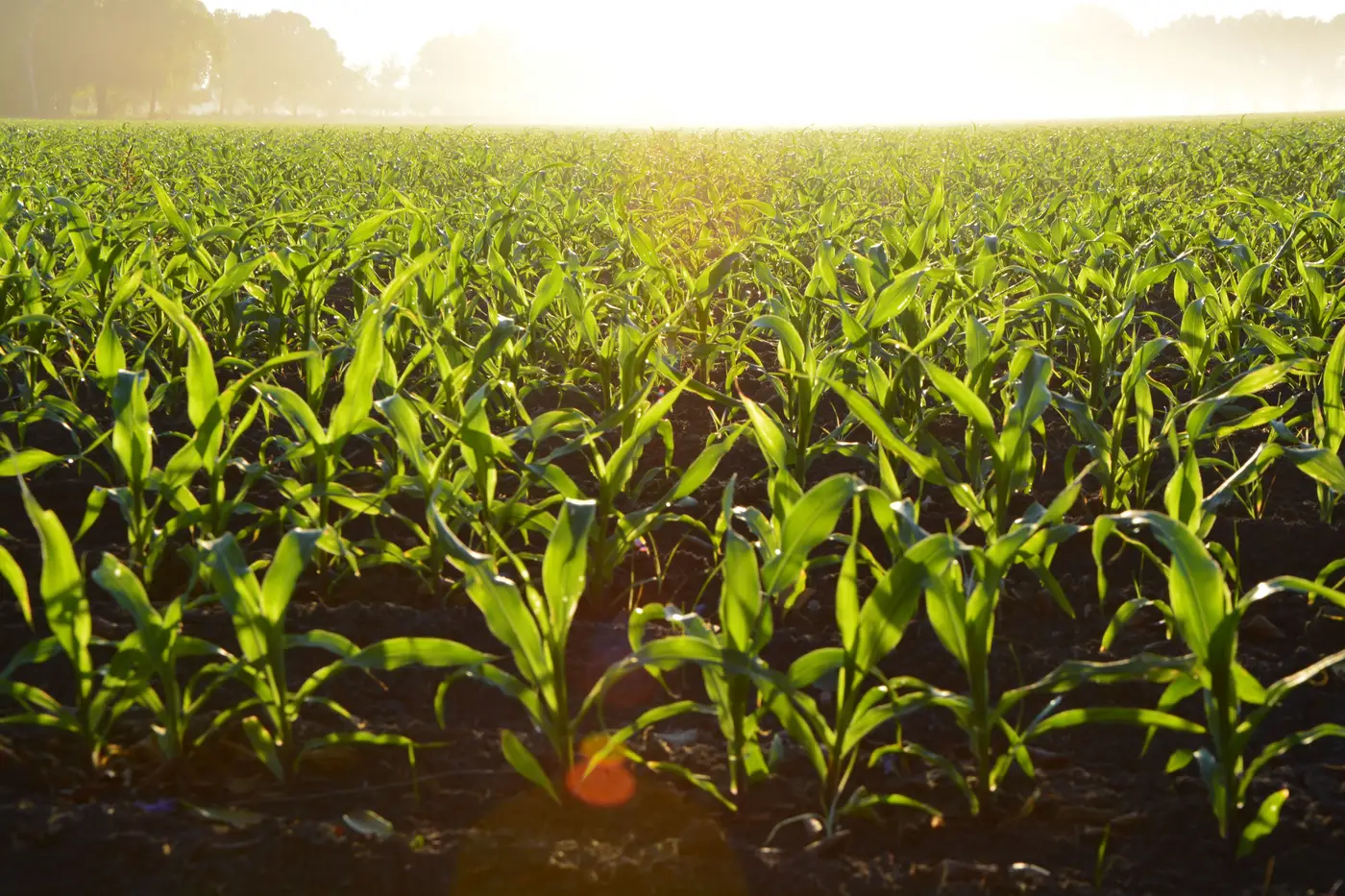
The forecast had said low 40s overnight, nothing to write home about. What it didn't say was that the cold air would pool in the low ground for six straight hours and sit there past sunrise. By the time the first grower called, the corn in his bottom field had been sitting at imbibitional chilling temps since before he'd finished his coffee.
That first call came in around 7:15. By 9 the phone hadn't stopped. Spiky stands, uneven color, seedlings that looked fine on Monday and mushy by Thursday. Six growers in four days wanted the same answer: do I have a stand or don't I.
The trouble with a cold snap like that one is it doesn't hit a field evenly. The low spots take it hardest, the knobs barely notice, and the in-between ground is a coin flip depending on residue cover, planting depth, and whatever the soil moisture was doing that night. The stand ends up patchy in a way that's hard to read from the truck window. You can drive a field edge-to-edge and come away thinking it's fine, then walk forty feet off the road and find a hole the size of a tennis court.
That's the part that eats the week. Not the damage itself, the figuring out of it. A grower with 1,800 acres across six fields can't walk every one of them with a hoop and a clicker before the window to replant closes, and he knows it, which is why he's calling you instead of walking it himself. You end up doing math on windshield time: how many fields can I get boots on before Friday, and which ones do I just have to guess at and hope.
The guessing is the part nobody likes to admit happens. A guy eyeballs a field from the truck, decides it's "probably 26, 27 thousand," and that number goes into the replant decision whether it's right or not. Most years that's close enough. The year the cold snap hits every field in the territory in the same four-day window, close enough stops being good enough, because now you've got a dozen fields that all need an answer by Thursday and not enough daylight to walk them all with a stand-count board.
What actually settles it is a number you can stand behind field by field, not a feel for the territory. A per-field emerged-plant count, with the gap areas marked out instead of averaged into a county-wide guess, turns a week of "I think" into a week of "here's what's there." You can tell a grower his north forty is at 24,200 and holding, and his river bottom lost a third of its stand in the low quarter, and mean it, instead of hedging because you only got a transect in on one of the two.
None of that makes the decision itself any less a judgment call. Replant math still comes down to what's already up, what the calendar allows, and what the grower's willing to spend on seed and a second pass. But the input to that math doesn't have to be a windshield guess stretched across six fields in one bad week. A single pass over the field can hand you the stand count and the gap layer before you've finished the next call.
Next cold snap, the phone's going to ring the same way it did this one. The only thing worth changing between now and then is how fast that ringing phone turns into a real number.
If you want fewer guesses next time the calls stack up, that's what Plant Counting is built for.