Insurance adjuster vs seed agronomist: who signs off on a replant
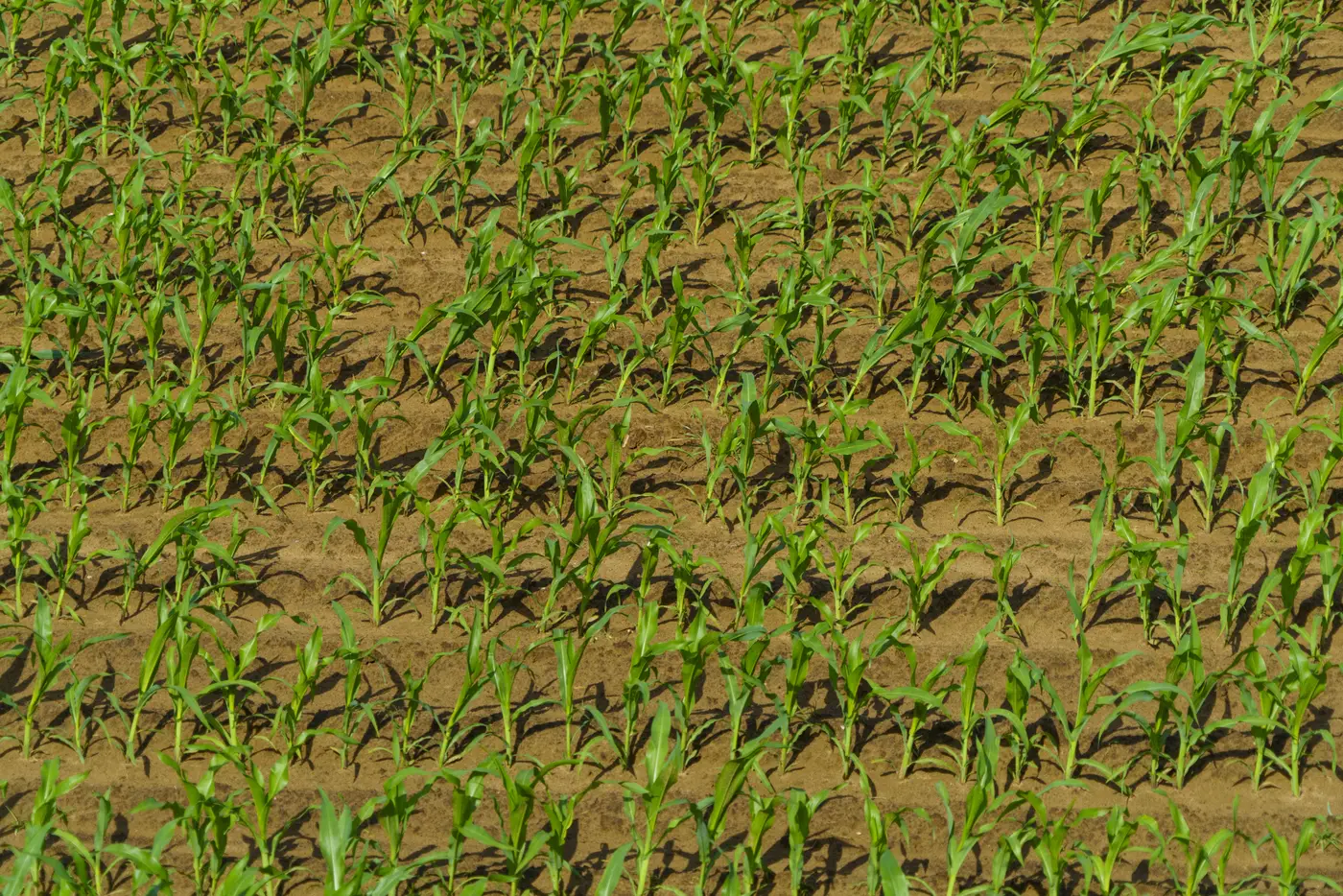
Two people end up looking at the same thin stand and reaching different conclusions, and growers get confused about whose word carries the decision. It helps to separate what each one is doing out there.
The adjuster is appraising a loss, not recommending agronomy
The crop insurance adjuster shows up because a claim got filed. Their job is narrow: walk the field, run stand counts against the policy's population threshold, and determine whether the stand qualifies for a replant payment under the loss provisions in the grower's policy. That's an insurance determination, not a yield call. The adjuster confirms whether the field meets the paperwork threshold for indemnity. Hybrid maturity against the calendar, and whether replanting into a shorter-season product pencils out this late in the season, is someone else's question. Once the appraisal is signed, the insurance side of the decision is basically done.
The seed company agronomist is doing something different. They're looking at the same gaps and skips, but asking whether the remaining stand, uneven as it is, can still carry a competitive yield given the hybrid's ear flex, the row spacing, and how much season is left on the maturity rating. If the field is under a seed replant program, the agronomist is also the one who decides whether the grower qualifies for replacement seed or a discount, and under what conditions. That's a relationship call built on the seed company's own replant policy, separate from whatever the insurance policy says.
So you've got two thresholds running in parallel: one set by the insurance contract, one set by agronomic judgment and the seed company's own program rules. They don't have to agree, and often they don't.
Who signs off
Here's the part that trips people up: neither of them makes the final call. The grower does. The adjuster's appraisal tells the grower what the insurance will or won't cover if they replant or stay with the existing stand. The agronomist's recommendation tells the grower what the stand is likely worth left alone versus torn up and started over, and whether the seed company will help with cost. The grower takes both pieces of paper, looks at the calendar, and decides.
Where it gets messy is timing. The adjuster's appraisal and the agronomist's walk-through often happen on different days, sometimes a week apart, and a stand that was borderline on Tuesday can look worse or better by the following Monday depending on weather and how the late emergers caught up. Everybody's working off a count that's already stale by the time the recommendations land on the grower's desk.
That gap is the real cost. Replant windows close fast once canopy starts shading the row middles, and a grower waiting on two separate field visits to line up before deciding is burning days they don't have. The adjuster needs a defensible stand count for the claim file. The agronomist needs the same number to size up yield potential and decide what the seed program covers. If both of them are working from one current count instead of two separate walks on two separate calendars, the decision gets made days sooner.
That's the piece we built around. A single drone pass over the field gives you an emerged-plants-per-hectare figure and a gap map overlaid on the boundary, fast enough that the adjuster's appraisal and the agronomist's recommendation can be working off the same current numbers instead of waiting on each other's schedule. It doesn't replace the adjuster's authority to sign an insurance appraisal or the agronomist's judgment on hybrid fit. It just gets the stand count in front of both of them while there's still a window open to act on it.
If you're an agronomist trying to get ahead of the next round of marginal fields before the adjuster's even scheduled, that's the gap Plant Counting is built to close.