Soybean replant threshold vs corn replant threshold: what's different
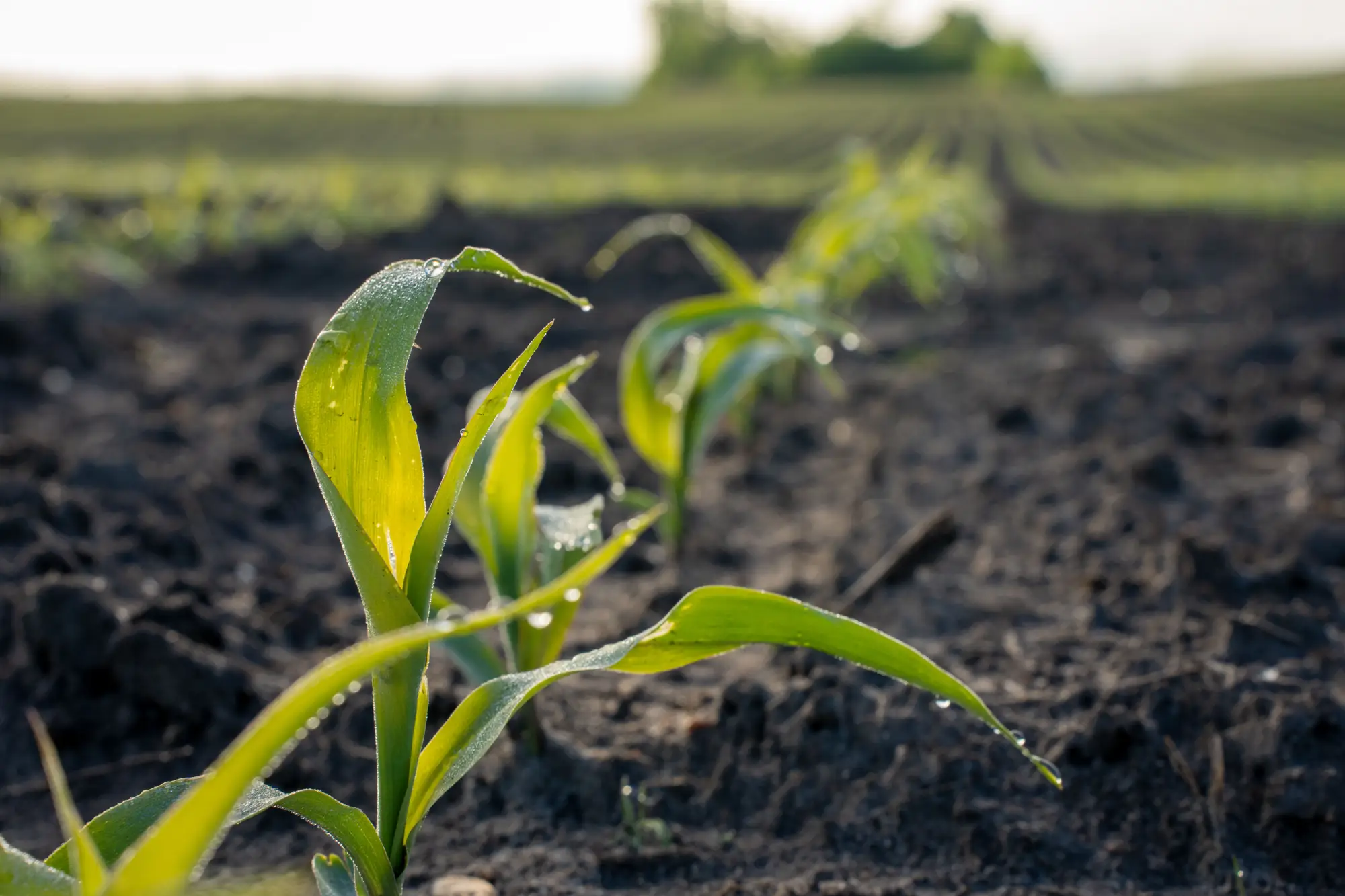
Corn and soybean don't play by the same replant rules, and treating them the same way costs money either direction. Corn is the less forgiving crop here. It doesn't branch or tiller to fill a gap the way soybean can, so a thin stand in corn stays thin all season. Soybean, on the other hand, can compensate for a surprising amount of early stand loss by throwing extra branches and pods on the plants that did come up. That single difference is why a 70% stand that looks alarming in corn might be a non-event in soybean.
Why the thresholds aren't the same number
Extension agronomists have pushed corn replant guidance down over the years as hybrids got better at compensating for lower populations, but the basic shape of the curve hasn't changed: once you're below roughly 20,000-22,000 plants per acre in corn, especially past late May, the yield drag from a thin stand usually beats the yield drag from a late replant. Above that, in most years, you're better off leaving it. The window to make that call is short because corn commits to its final row spacing and canopy fast. Miss the window and you're deciding on a stand that's already decided for you.
Soybean plays a different game. Because of branching, full-season soybean stands can take a hit down into the 50-60% range of original population and still finish close to full yield potential, provided the stand loss happened early and is reasonably uniform across the field. The catch is "uniform." A soybean field with scattered thin spots averages out fine on paper and still yields well. A soybean field with a solid blown-out strip, say from ponding or a planter skip, doesn't average out. That strip yields what it yields, which is often close to zero, no matter how good the rest of the field looks.
This is the part a stand count on a clipboard tends to miss. Average population across a field tells you whether the crop overall cleared a bar. It doesn't tell you whether the loss is a bunch of small, scattered gaps the crop can shrug off, or a few concentrated dead zones dragging the average down while hiding inside a decent-looking number. Corn and soybean both care about this distribution question, but soybean's compensation ability makes it the crop where guessing wrong on distribution is most likely to bite you.
What this means for the replant call on your acres
Before you walk a field or run the numbers, separate the two questions you're trying to answer. First: is the average emerged population below the point where this crop, this hybrid or variety, this planting date, can still make a full crop? Second, and this is the one that gets skipped: are the losses spread out, or are they concentrated in patches big enough to act like their own separate, worse field? A corn field at 24,000 average with even gaps is a different decision than a corn field at 24,000 average with a 2-acre washout in the low corner. Same average, different answer.
Getting both answers usually means more than a few transect walks, especially on a field with irregular drainage or a planter that skipped unevenly. A single pass that gives you the per-hectare emergence number and shows where the gaps sit, rather than just an average for the whole field, lets you apply the right threshold to the right crop and still see the patchy spots that threshold math alone won't catch. That's the gap Plant Counting is built to close, with a drone pass that turns into a count and a gap layer while there's still time to act on it.
Crop-specific thresholds only help if you trust the stand count feeding into them. If the number you're working from is an average that's hiding a bad patch, neither the corn threshold nor the soybean threshold is going to give you the right call.
Run the flight while the decision is still yours to make.